
Marvin R. Shanken died on October 29, 2026. He was 83. In 1979 he bought Wine Spectator, then a twice-monthly newspaper out of San Diego, and built it into the world’s leading wine magazine.
For restaurants, his legacy comes down to one year: 1981. That year he launched the Restaurant Awards. For the first time, a wine list was something you could judge, rank, and check before booking a table.
A wine list can be judged
Before 1981, the wine list was a service document. Shanken made it a statement. The idea was simple: point readers to the tables where wine is taken seriously.
Forty-five years on, the program recognizes around 3,700 restaurants a year in more than 75 countries. Sparks Steak House in New York has held a Grand Award since the very first edition.
What the judges actually look for
Three levels, three standards.
- Award of Excellence. A well-chosen range of quality producers, matched to the menu in both price and style.
- Best of Award of Excellence. Breadth across several regions, vintage depth, and superior presentation.
- Grand Award. Around a hundred restaurants worldwide. Every candidate is inspected on site: wine program, cellar, service, dining room, cuisine.
Size alone doesn’t win. The same demand runs through every level: coherence. With the plate, with the cellar, with the service.
Where great lists lose points
A great list is built in the cellar. It is often lost at the table.
- The vintage on the list is gone from the cellar. The sommelier apologizes; the guest starts reading again.
- The sold-out bottle stays printed until the next reprint.
- 400 references, no way through. Without guidance by region, style or pairing, depth becomes a wall.
- The list says one thing, the cellar another. An inspector notices with one order.
What award-winning lists share today
- A list that is right, every service. What’s listed is available.
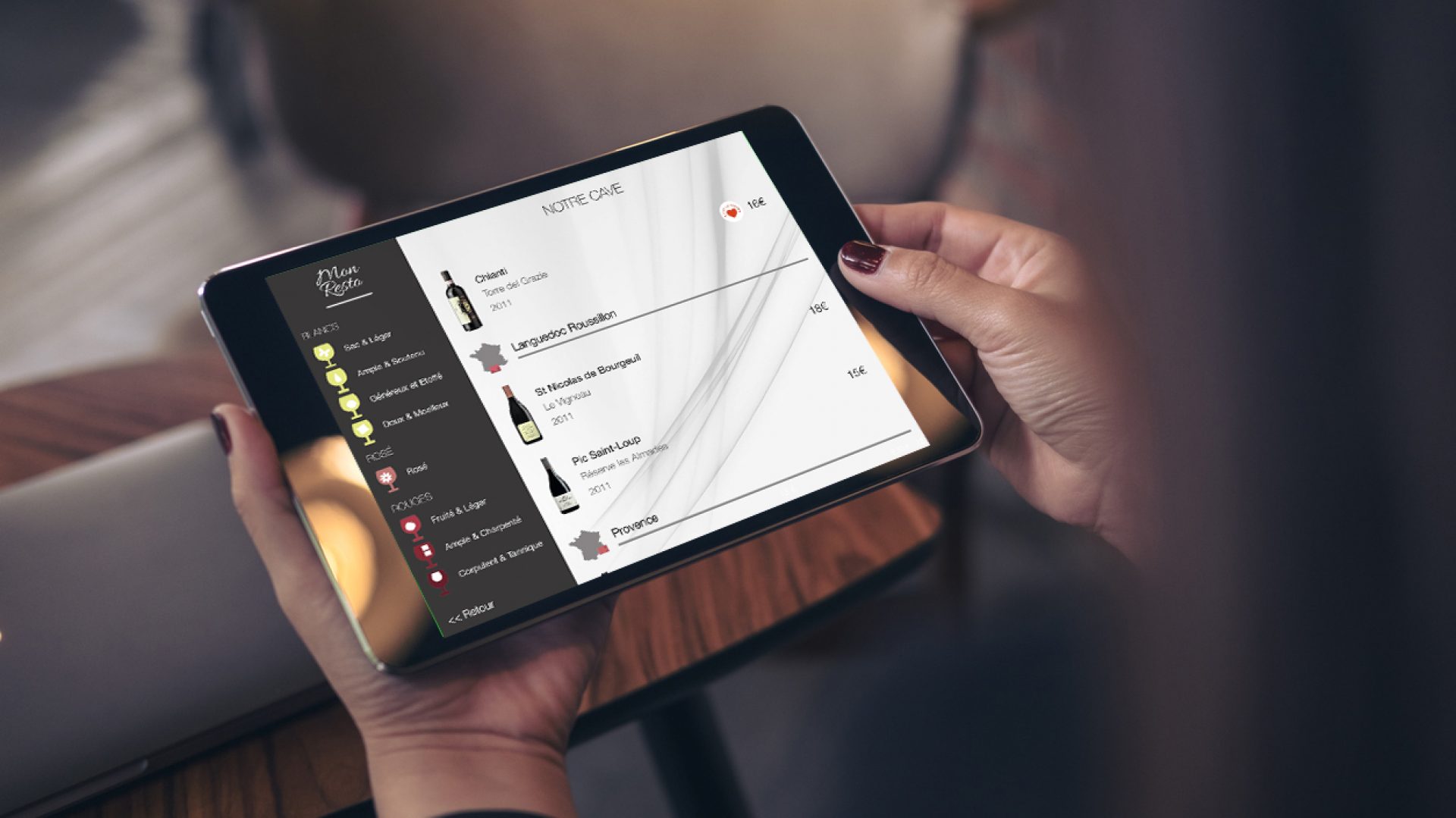
- Guided reading. Guests find their bottle without wading through 40 pages.
- A sommelier on the floor. Less time on updates, more time with guests.
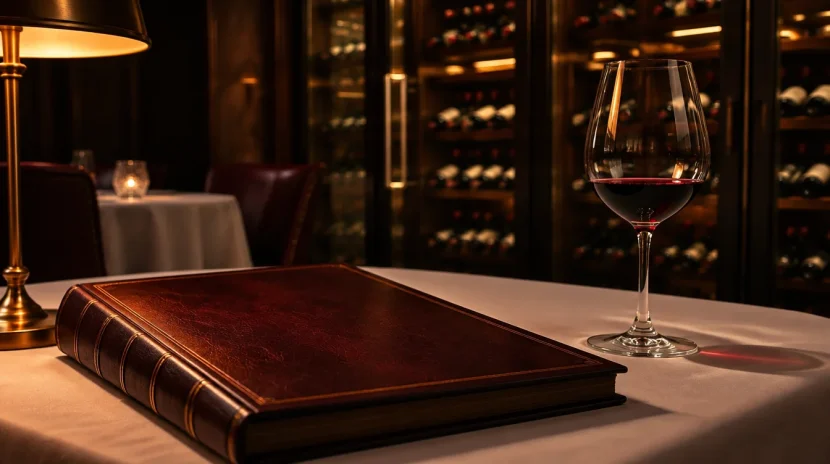
- Presentation worthy of the cellar.
The legacy
Shanken taught diners to read a wine list as a signal. The restaurants that understood this turned theirs into a reason to book.
COENA builds its iPad wine list, synced with the cellar, for exactly those restaurants.